


We help businesses stand out, so they significantly increase their chance of converting more leads
Conversion Data Analysis Services Melbourne
Conversion data analysis for sharper website decisions
Conversion data analysis helps your business understand what users are doing before they enquire, buy, book or leave. Instead of guessing which page, button, form or journey needs work, data gives your team a clearer view of where attention is being won and where action is being lost.
At Chromatix, we look at website data through a practical conversion lens. We review user behaviour, traffic sources, conversion paths, form performance, device behaviour, page engagement, drop-off points and tracking quality to find the patterns that matter most.
For some businesses, that means identifying high-value pages that need stronger CTAs or clearer content. For others, it means finding broken tracking, weak campaign landing pages, poor mobile performance, funnel gaps or hidden friction inside enquiry and checkout pathways. The outcome is conversion data analysis that turns website behaviour into sharper, more confident action.
Let’s turn your website data into clearer priorities and stronger conversion opportunities.
Conversion data ANalysis Client Testimonials
With over 166+ 5 star Google reviews & proven results since 2009

You’ve taken tech and made it so simple for us to understand. It’s been the perfect synergy of Chromatix understanding our complex needs and delivering with absolute perfection and professionalism!
Jacques Calais - Adventist Schools Australia

Our website conversion was decent before, but we’ve now even increased it by 50%! Our page speeds are also 7X faster, which helps our SEO. What we’re also seeing now is higher-quality leads. We’ve also improved our recruitment as the website better represents who we truly are. We are super proud of the website.
Luke, Tyler, Ashley & Steve - Shore Hire
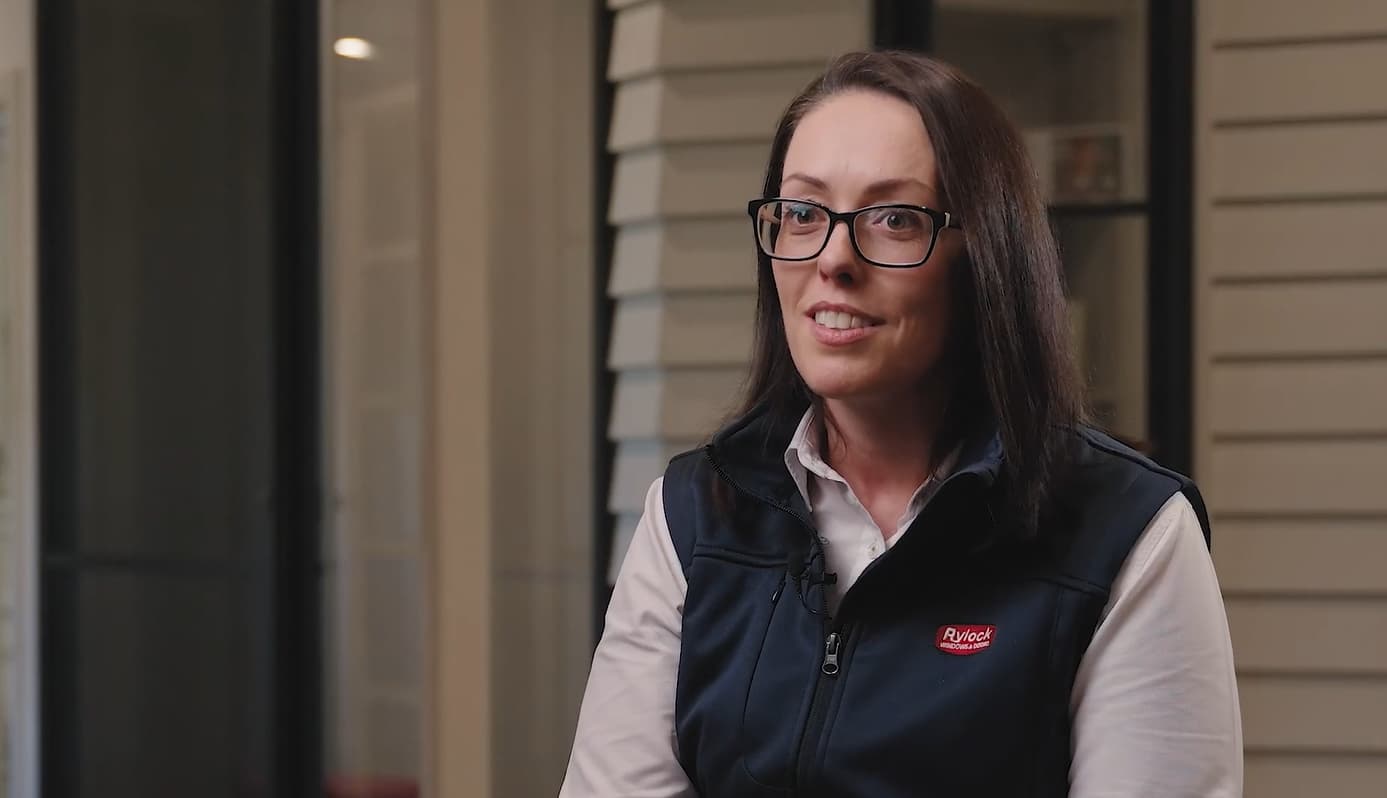
Our website is our greatest marketing asset. It was important that we had a trusted partner like Chromatix to assist us in delivering a growth strategy. We’ve now seen a 3x increase in traffic, an increase in user time on page & as a result, an increase in conversions & sales. We can certainly say hand on heart that our new website with Chromatix was pivotal to our recent growth!
Emma Truong - Rylock Windows & Doors

Chromatix saved us $15,000-$20,000 a year on wasted marketing spend & we also had an increase in the number of calls and enquiries just from the launch of the new website.
Steph & Alex - Resi Body Corporate

Chromatix taught me the true power of mastering attention to increase our chance of winning tenders. I now know it 100% works because of the feedback we’ve received from clients and the industry. As business owners, we’re always conscious of what things cost. The question I asked myself was, what’s the true cost of not improving my website?
Robert Krastich - Sharper
Conversion Data Analysis Features
Conversion data analysis that turns website behaviour into action
Good data analysis should not drown your team in charts. It should reveal what matters, explain why it matters and show how the website can improve. We analyse the signals behind user behaviour so your team can see where visitors are moving smoothly, where they are hesitating and which changes could create stronger conversion impact.
100% focused on useful action
The goal is not to produce a report that only data people understand. The goal is to give your team clear findings, practical priorities and website improvements tied to real user behaviour.
10x clearer conversion priorities
Not every data point deserves action. We help identify which pages, channels, journeys, forms and conversion points need attention first, so your team can focus on useful improvements.
User behaviour that tells a story
Clicks, scroll depth, page movement and drop-offs can show where users lose interest or confidence. We look for behaviour patterns that explain what the website experience is really doing.
Form performance without the guesswork
Forms often sit close to conversion, which makes them critical. We review form starts, completions, abandonment, field friction, validation issues and mobile usability to find where leads may be leaking.
5-star tracking quality checks
Data is only useful when it is reliable. We review whether key actions, enquiry points, phone clicks, downloads, forms, purchases and campaign events are being tracked properly.
Mobile data that shows friction
Mobile behaviour can reveal different problems to desktop. We review device-level performance, engagement, form use, page speed and conversion differences to find mobile-specific improvement opportunities.
Conversion Data Analysis Tools and Focus Areas
Conversion data analysis that turn numbers into action
Conversion data analysis becomes more useful when the right data sources, tools and website touchpoints are reviewed together. The aim is not to collect more numbers. The aim is to understand which signals explain user behaviour and which findings can guide practical website improvements.
Instead of treating analytics as a separate reporting exercise, we look at how data connects to the wider website experience. That means tracking, traffic sources, page structure, content, forms and conversion pathways are assessed through the lens of practical business value.
Analytics & event tracking
Analytics and event tracking help reveal what users do and what the website may not be measuring properly. We review conversion events, enquiry points, form submissions, phone clicks, campaign parameters and reporting gaps.
Funnel & form analysis
Funnel and form analysis can show where users start strong but fail to complete the action. We review drop-offs, form behaviour, validation friction, completion rates and step-by-step journey performance.
Landing page & campaign data
Landing page and campaign data help reveal whether traffic is landing in the right place with the right message. We assess campaign source behaviour, bounce patterns, CTA interaction and post-click conversion quality.
Device and speed behaviour
Device and speed behaviour can explain why users act differently across mobile, tablet and desktop. We review device-level engagement, mobile conversion differences, load speed patterns and performance-related friction.
Conversion Data Analysis FAQs
Frequently asked questions
How do we know if our website needs conversion data analysis?
Your website may need conversion data analysis if traffic is coming in but enquiries, sales or bookings are weaker than expected. It can also help when your team is unsure which pages, campaigns, forms or user journeys are actually contributing to action.
- Weak enquiries can signal hidden conversion friction
- Tracking gaps can hide important website actions
- Behaviour data can reveal where users lose confidence
Strong conversion data analysis helps your team understand where website performance is being won or lost. Let’s find the behaviour patterns your website data has been trying to show you.
What website data should be analysed for conversions?
Conversion analysis should review the data points that show how users move towards action. This may include traffic sources, landing pages, conversion events, form completions, click behaviour, device performance, funnel drop-offs, page engagement, search behaviour and campaign tracking.
- Landing page data shows first-impression performance
- Form data reveals where leads may drop away
- Traffic source data shows which channels create action
The right data helps your team understand the journey from visitor attention to meaningful website action. Let’s review the data that shapes your most important conversion paths.
Can conversion data analysis improve marketing performance?
Yes. Conversion data analysis can improve marketing performance by showing what happens after campaign traffic reaches the website. It can reveal which landing pages, messages, devices, CTAs and user paths are supporting action, and which ones are wasting good traffic.
- Campaign data reveals post-click performance
- CTA tracking shows which actions earn engagement
- Device-level analysis can reveal mobile friction
Better conversion data helps marketing decisions become more focused and less reactive. Let’s make sure your website gives good traffic a better chance to convert.
How does conversion data analysis support website redesign or CRO?
Conversion data analysis can show which parts of the website should be improved, redesigned or tested first. It helps identify problem areas such as high-exit pages, poor form completion, weak CTAs, low engagement, checkout friction or confusing page paths.
- Funnel analysis shows where users leave
- Page behaviour helps guide redesign priorities
- Form tracking can reveal lead-generation friction
A stronger data foundation helps CRO and redesign decisions feel more strategic. Let’s use your website behaviour data to guide the next improvement properly.
Web Design & conversion Highlights
Websites that
make your phone ring














Conversion Data Analysis Strategy & Methods
Conversion data strategy built around evidence, behaviour and action
The best conversion data analysis starts with the business question. Before pulling numbers, we look at what your website needs to achieve, what actions matter most and which parts of the user journey need clearer visibility.
That matters because more data does not automatically mean better decisions. If tracking is messy, goals are unclear or reports are disconnected from user experience, your team can end up reacting to noise instead of improving the website.
Our method brings together analytics, UX, content, CRO thinking, campaign context, technical checks and performance interpretation. We analyse what users do, connect it to what they see and turn the findings into practical improvements that help your website work harder.

Why Choose Chromatix for Conversion Data Analysis
How professional conversion data analysis improve websites
Conversion data analysis has a direct impact on how clearly your business understands what is happening on your website. Weak analysis can create more questions, misleading assumptions and low-value fixes. Strong conversion analysis gives your team clearer evidence, sharper priorities and a practical path towards better website performance.
Choosing a professional conversion data analysis agency gives your business a stronger foundation for tracking, reporting, UX insight, campaign analysis, CRO and website improvement planning. It means recommendations are shaped around real user behaviour and business goals, not dashboard screenshots without context.
Choosing a professional agency to work on the conversion data analysis of your website comes with key benefits:
- Clearer website priorities: Professional conversion data analysis helps your team understand which pages, actions and journeys matter most.
- Better campaign visibility: Traffic source and landing page analysis can show which marketing activity is supporting meaningful action.
- Stronger CRO direction: Funnel, form and CTA data can reveal where users hesitate, drop off or lose intent.
- More reliable tracking: Measurement reviews can expose missing events, poor tagging and reporting gaps before they mislead decisions.
- Smarter redesign planning: Behaviour data can help guide page structure, content, UX and technical improvements with stronger evidence.
You get conversion data analysis that feels practical, commercial and grounded in how users actually behave on your website. Your team gains clearer priorities, better evidence and a smarter path from uncertain performance to informed improvement.